mary berry raspberry coulis recipe:The Secret to a Perfect, Set Sauce
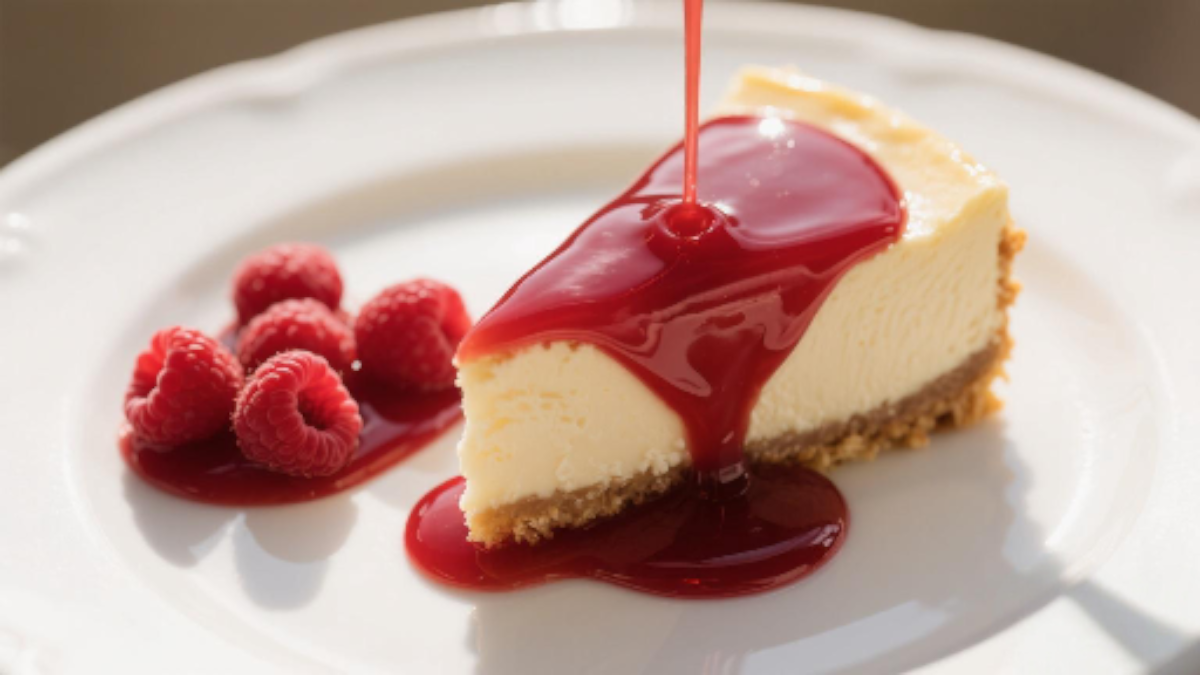
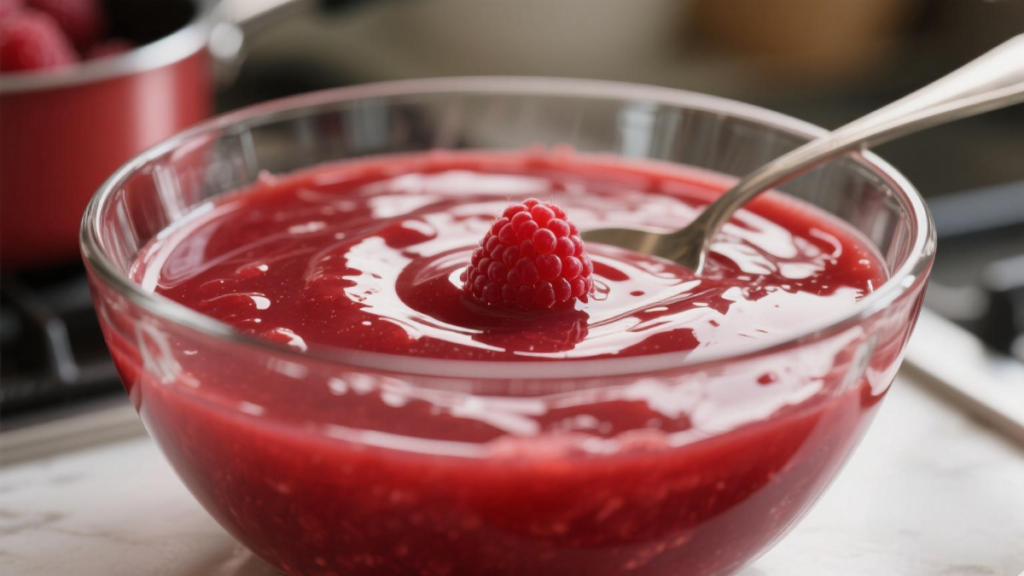
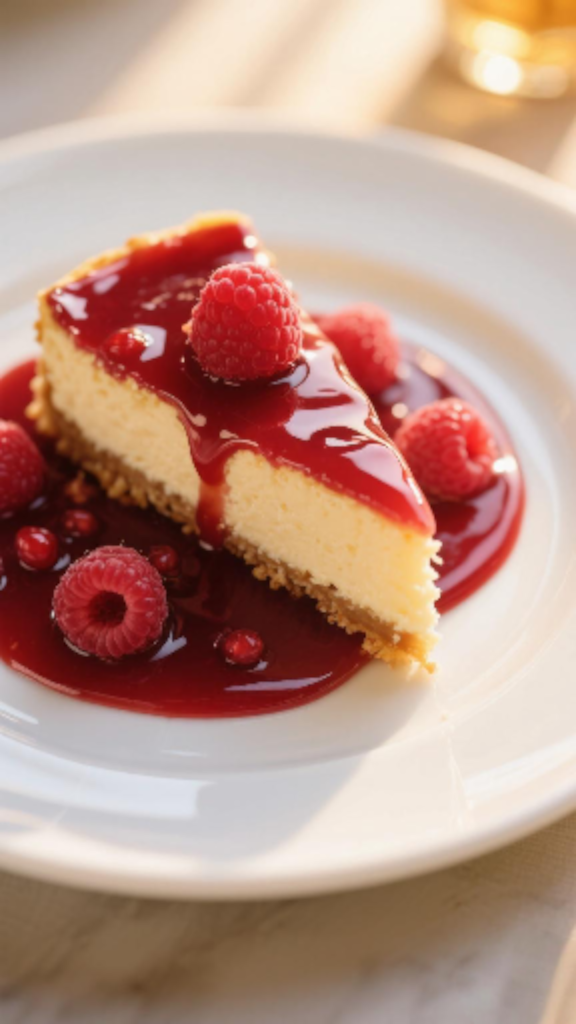
A spoonful of this coulis is pure, shimmering scarlet silk. It coats without drowning, sweetens without cloying, and gleams with a professional gloss. Mary Berry’s philosophy for a coulis is clarity and balance. It must be a supporting actor, never a soggy, seedy flood.
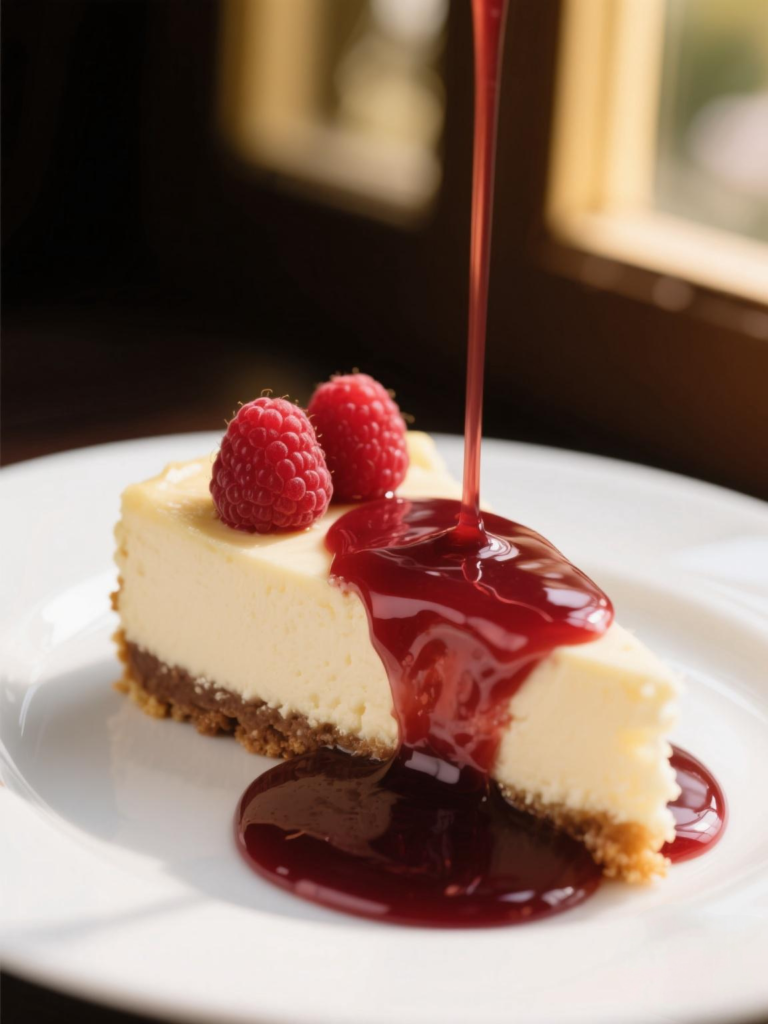
This version is the foolproof one. It applies precise thermal control to maximise the fruit’s natural pectin. The result is a sauce that holds its shape on a plate but yields instantly on the tongue.
The Science of a Set Coulis
A standard blender-and-strain method often yields a thin, watery sauce. This happens because the fruit’s structural pectin isn’t properly activated. Pectin needs heat and sugar to form a gel network.
Mary’s brief cooking method provides that precise activation window. Gentle simmering for five minutes is non-negotiable. This duration breaks down the fruit just enough to release pectin, but not so long that the vibrant flavour and colour cook out.
Radiant heat from the pan base is ideal. It prevents the violent bubbles of a fierce boil, which can incorporate air and dull the colour. We want a slow, thick bubble.
Ingredients
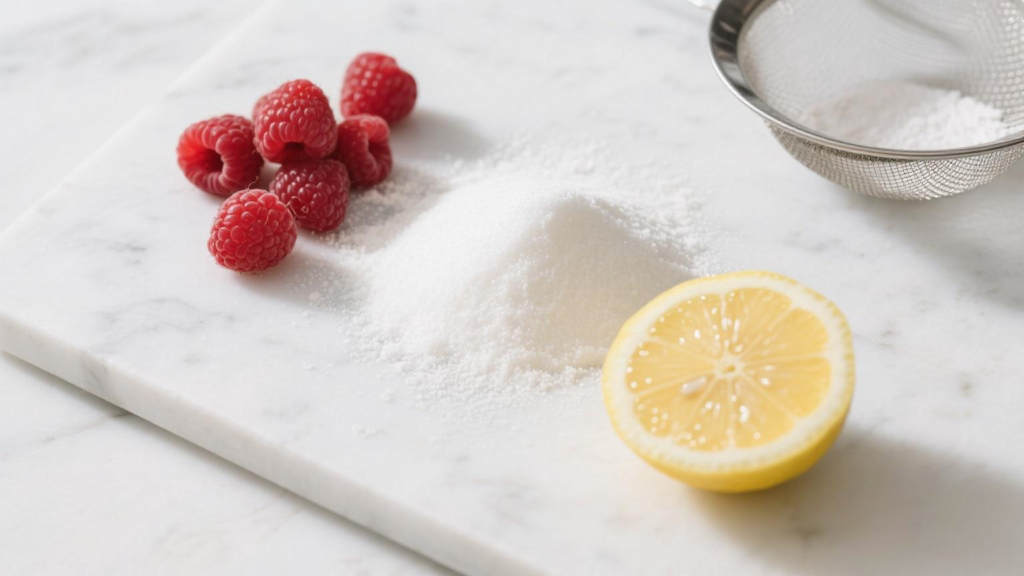
- 450g (1 lb) fresh or frozen raspberries. Do not thaw if frozen.
- 100g (3.5 oz / ½ cup) caster sugar. Fine grain is essential for rapid dissolution.
- 2 tablespoons (30ml) fresh lemon juice. This is your acidity regulator for brightness and set.
- 1-2 tablespoons (15-30ml) water, only if using fresh berries. Frozen berries will release their own juice.
Quality Markers: Use full fat flavour. Cheap, under-ripe berries lack pectin and depth. A frozen premium berry is better than a fresh, bland one. Fresh lemon juice is non-negotiable; bottled will give a flat, metallic tang.
Step-by-Step Method (The Masterclass)
Step 1: Activate the Pectin
Place the raspberries, sugar, and lemon juice in a medium, heavy-based saucepan.After this, If using fresh berries, add 1 tablespoon of water. Heat gently over a medium-low flame for 3-4 minutes, stirring occasionally, until the berries begin to break down and release their juices.
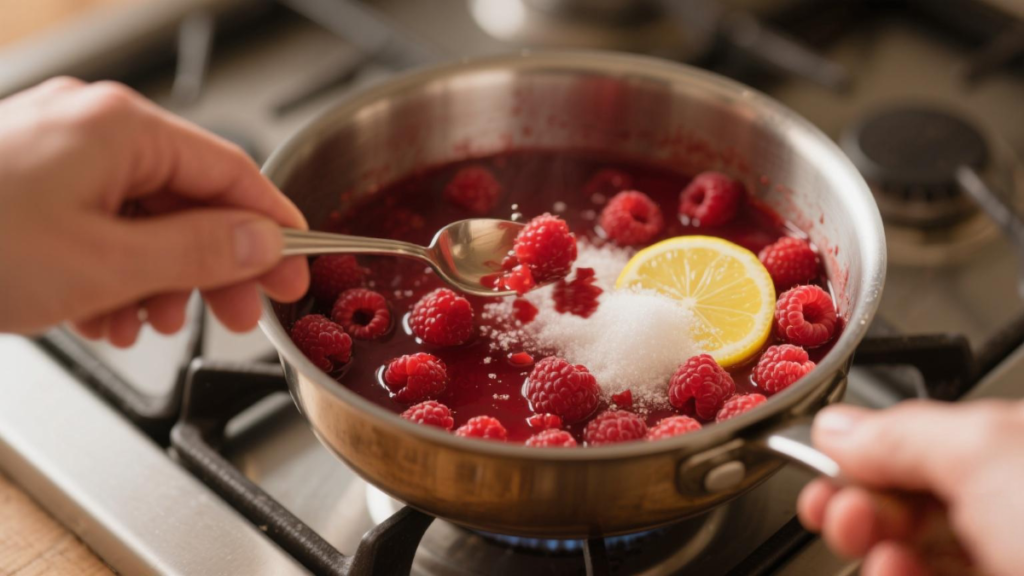
Step 2: The Simmer for Structure
After this, Increase the heat to bring the mixture to a gentle simmer. It should bubble like scarlet lava, not erupt violently. Cook for exactly 5 minutes, stirring frequently to prevent sticking. The mixture will become fragrant and visibly thicker.
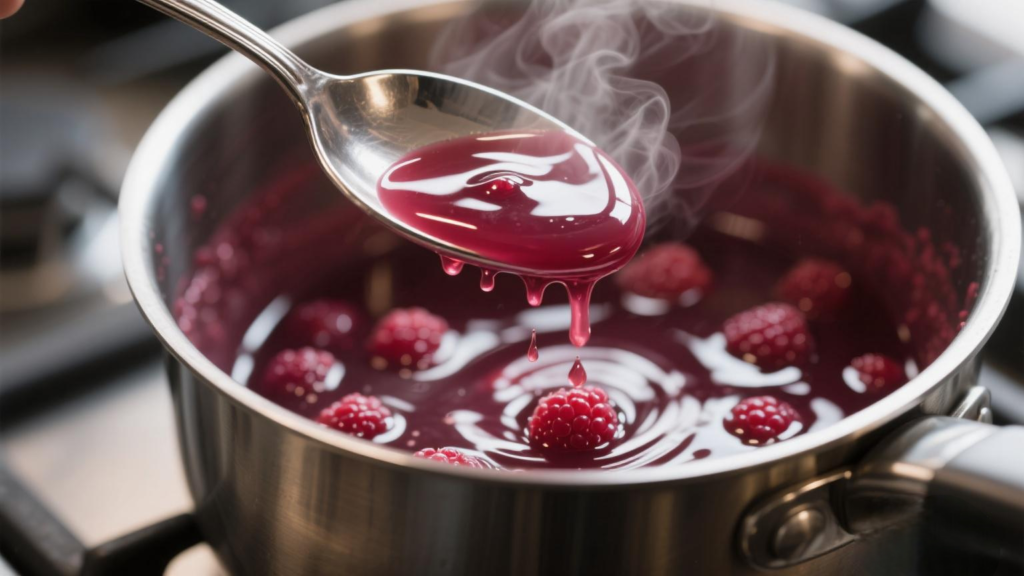
Step 3: Strain for Silk
Pour the hot mixture into a fine-mesh sieve set over a bowl. Press firmly with the back of a ladle to extract every drop of glossy pulp. What remains in the sieve are the seeds and skin. Discard them.
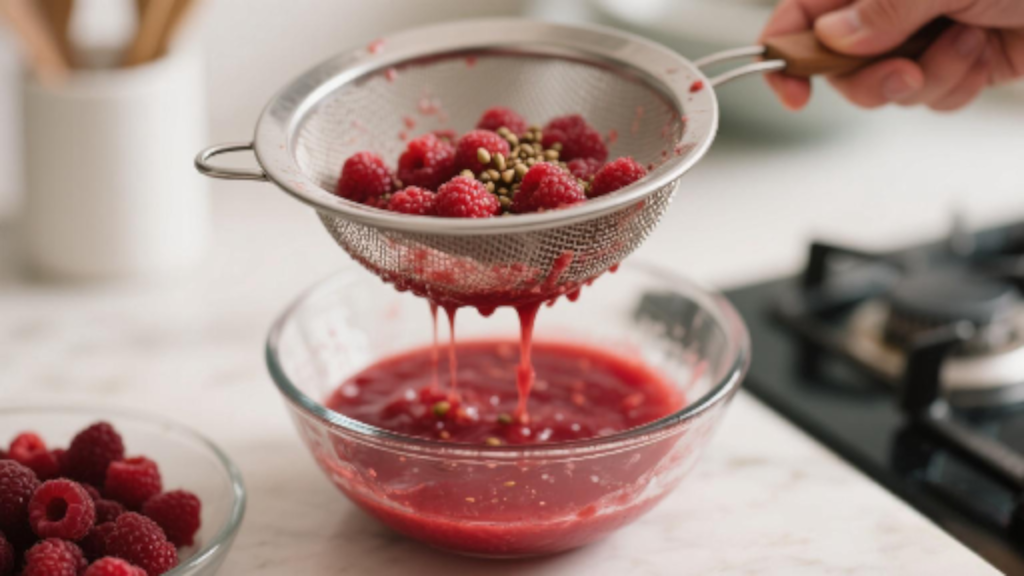
Step 4: The Final Adjustment
Taste the warm coulis. It should be a perfect balance of sweet and sharp. You may add a touch more lemon juice if needed. Allow it to cool completely. It will thicken further as it chills.
Troubleshooting: Avoiding a Watery Pool
“My coulis is too thin and runny.”
You did not reduce it enough. Simmer for the full five minutes next time. For rescue, return the strained coulis to a clean pan and simmer for 2-3 more minutes to drive off excess water.
“The colour is dull, not vibrant.”
The berries were overcooked or boiled too fiercely. Gentle heat preserves the brilliant hue. A splash of lemon juice also brightens the colour chemically.
“It’s too seedy.”
You must use a proper fine-mesh sieve. Do not use a colander. Press firmly, but do not force the seeds themselves through the mesh.
“The flavour is flat.”
You forgot the acid. The lemon juice is not optional. It lifts the berry flavour and aids setting. Always adjust to taste once strained.
Storage & Freezing
Cool the coulis completely. Transfer to a clean, airtight jar or container.
It will keep in the refrigerator for up to one week. A skin may form; simply stir it back in.
For freezing, pour the cooled coulis into a rigid, lidded container, leaving 1.5cm (½ inch) headspace for expansion. It freezes beautifully for three months. Thaw overnight in the refrigerator. Stir vigorously before use to recombine.