limoncello trifle mary berry:The Secret to a Zingy, Stable Cream
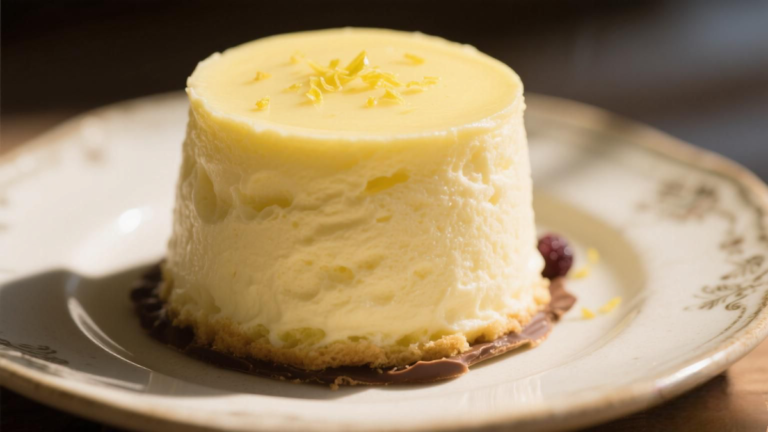
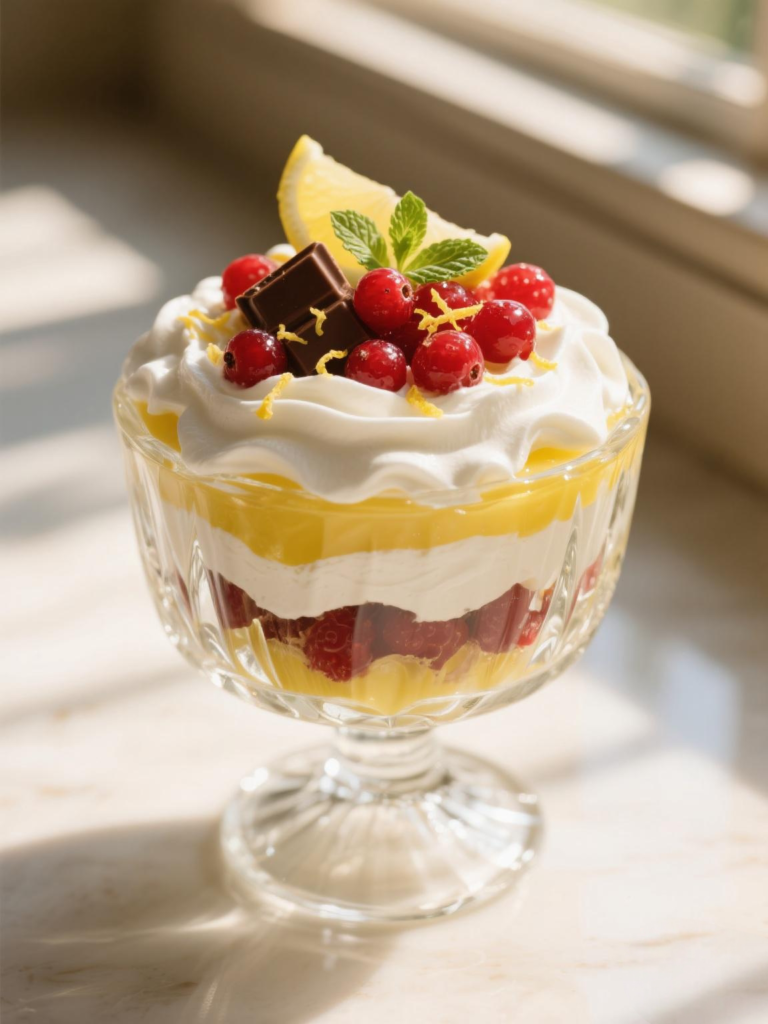
The texture is a revelation. A cloud of sharp, velvety syllabub over a zingy, tender-set lemon curd and perfectly soaked sponge. Mary Berry’s philosophy for trifle is clear: each layer must be distinct, never sloppy. This version is foolproof. We apply food science to her classic method, guaranteeing you avoid a runny mess and achieve sublime balance.
The Science Behind Mary’s Method
A trifle fails when its layers collapse into a watery pool. This recipe controls hydration and fat. The Genoese sponge is lean, with a tight crumb that soaks up limoncello syrup without disintegrating. The homemade lemon curd uses whole eggs and precise thermal cooking for a set that’s firm enough to layer, but lush on the tongue. The syllabub is stabilized not with gelatin, but with a careful ratio of cream to acidic lemon juice, which slightly thickens the proteins.
- Hydration Control: The sponge is brushed with syrup, not drowned. This prevents a soggy bottom.
- Fat Emulsion: The lemon curd is cooked to 82°C (180°F), where the egg proteins coagulate to thicken the citrus juice and butter emulsion perfectly.
- Cream Stability: Whipping the double cream to soft peaks before folding in the lemony sugar mixture prevents overwhipping and graininess.
Ingredients
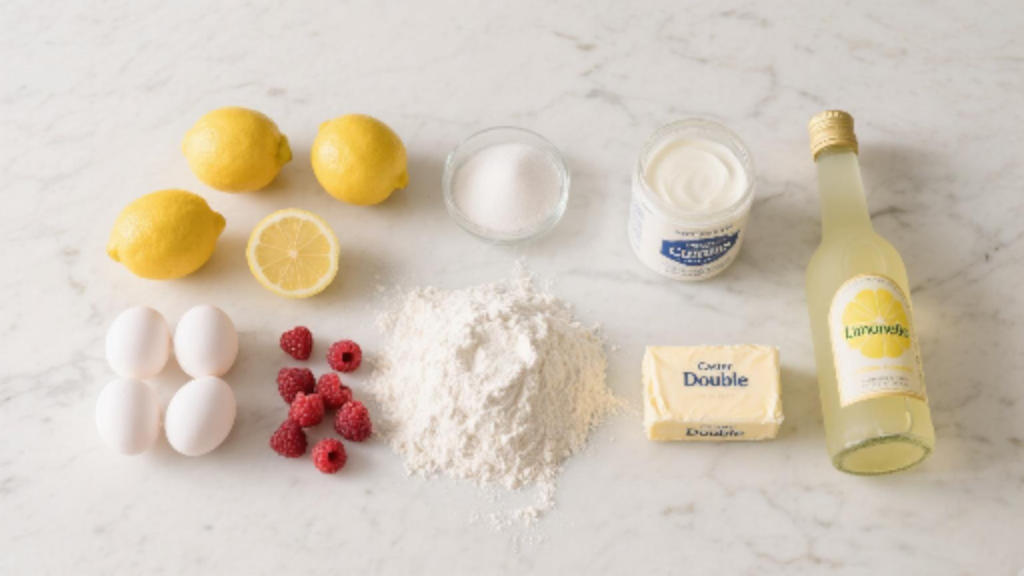
- For the Genoese Sponge: 4 large eggs (room temperature, 200g out of shell), 125g caster sugar (4.4 oz), 125g plain flour (4.4 oz), plus 1 tbsp for dusting, 50g unsalted butter, melted (1.8 oz).
- For the Lemon Curd: Zest and juice of 4 unwaxed lemons (approx. 150ml/5 fl oz juice), 200g caster sugar (7 oz), 100g unsalted butter, cubed (3.5 oz), 4 large eggs, beaten.
- For the Syrup & Assembly: 100ml limoncello liqueur (3.4 fl oz), 2 tbsp icing sugar (confectioner’s sugar), 300g fresh raspberries (10.5 oz).
- For the Syllabub: 300ml double cream, full fat (10 fl oz heavy cream), 100g caster sugar (3.5 oz), zest and juice of 1 large lemon.
Quality Markers: Mary insists on full fat double cream for syllabub—lower fat creams will split with the lemon juice. Use unwaxed lemons for zest. Don’t skimp on the butter quality in the curd; it defines the flavour.
Mary’s “Secret” Expert Tips
- Texture Preservation: Chill your bowl and beaters before whipping the syllabub cream. The cold fat whips faster and more stably, preventing a greasy texture.
- Flavor Enhancement Hack: Steep the lemon zest in the caster sugar for the syllabub overnight. The oils infuse the sugar, creating a profoundly fragrant cream.
- Mistake Prevention: When making the curd, cook it in a heavy-based saucepan over medium-low heat. Rushing this over high heat will scramble the eggs. Stir constantly with a flat-bottomed wooden spoon to monitor thickness evenly.
- Structural Integrity: Assemble the trifle at least 6 hours before serving. This allows the sponge to absorb moisture uniformly and the flavours to marry, but the syllabub will hold its piped shape.
Step-by-Step Method (The Masterclass)
Step 1: Prepare the Core Components
First of all, Preheat your oven to 180°C (160°C Fan, 350°F, Gas Mark 4). Grease and line a 20cm (8-inch) round cake tin. Sift the flour twice for airiness. Make the sponge: Using a stand mixer, whisk the eggs and sugar for a full 5-7 minutes until tripled in volume and leaving a thick ribbon trail. Gently fold in the flour with a metal spoon, then drizzle and fold in the melted butter. Bake for 20-25 minutes until golden and springy. Cool completely on a wire rack.
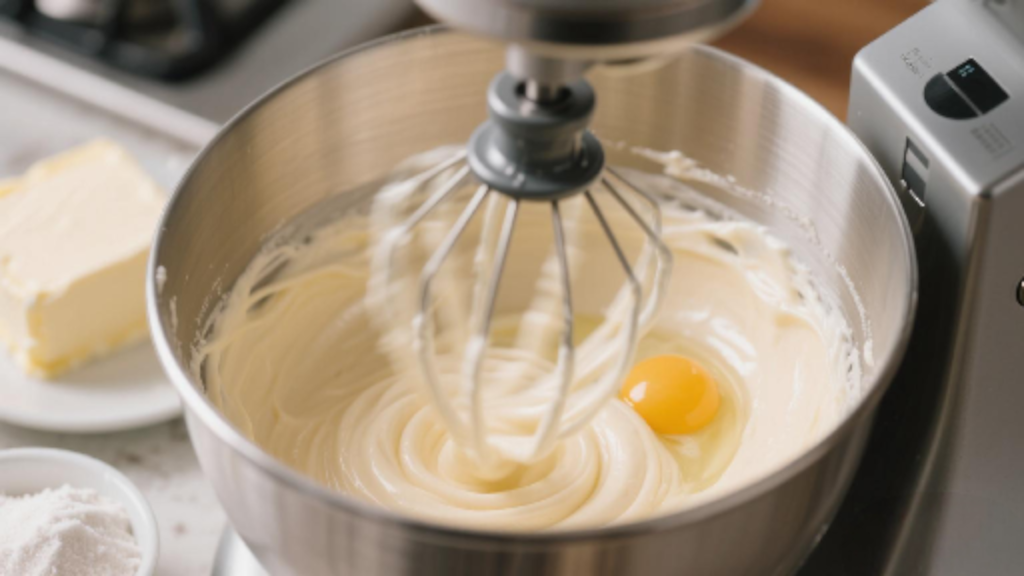
Step 2: Craft the Zingy Lemon Curd
Place a heatproof bowl over a pan of simmering water (bain-marie). After this, Add the lemon juice, zest, sugar, and butter. Stir until the butter melts. Whisk in the beaten eggs. Cook, stirring constantly, for 10-15 minutes until the mixture thickly coats the back of your spoon and reaches 82°C (180°F). It will bubble like a lazy volcano. Remove, strain into a jug, and cover the surface with cling film to prevent a skin. Chill for 2 hours.
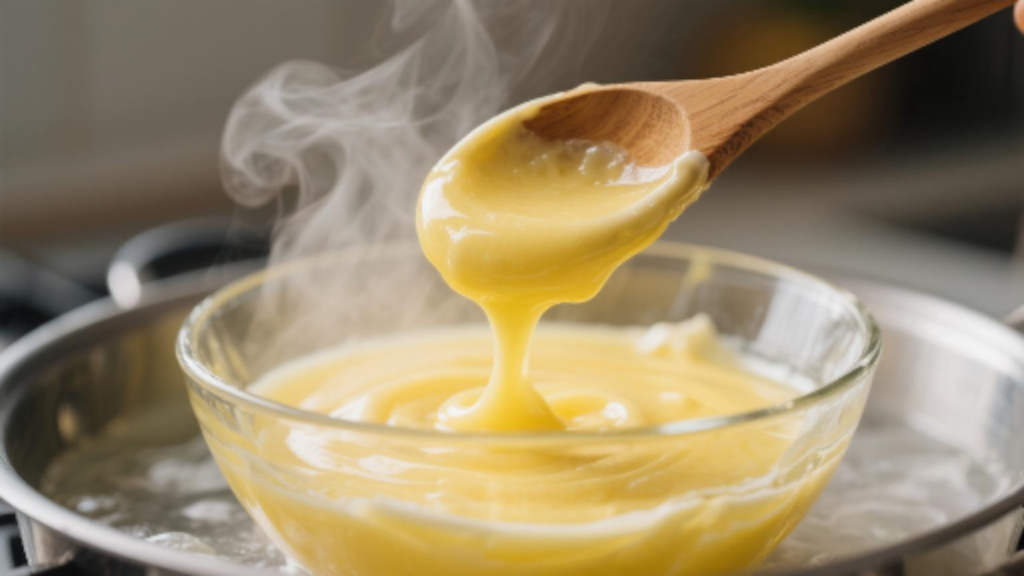
Step 3: Assemble with Precision
Slice the cooled sponge in half horizontally. Cut into fingers. Mix the limoncello with the icing sugar. Brush the sponge fingers liberally with the syrup—they should be moist, not saturated. Arrange half in the base of a large glass bowl (approx. 3-litre capacity). Spread over all of the set lemon curd. Scatter half the raspberries. Repeat the sponge layer and remaining berries.
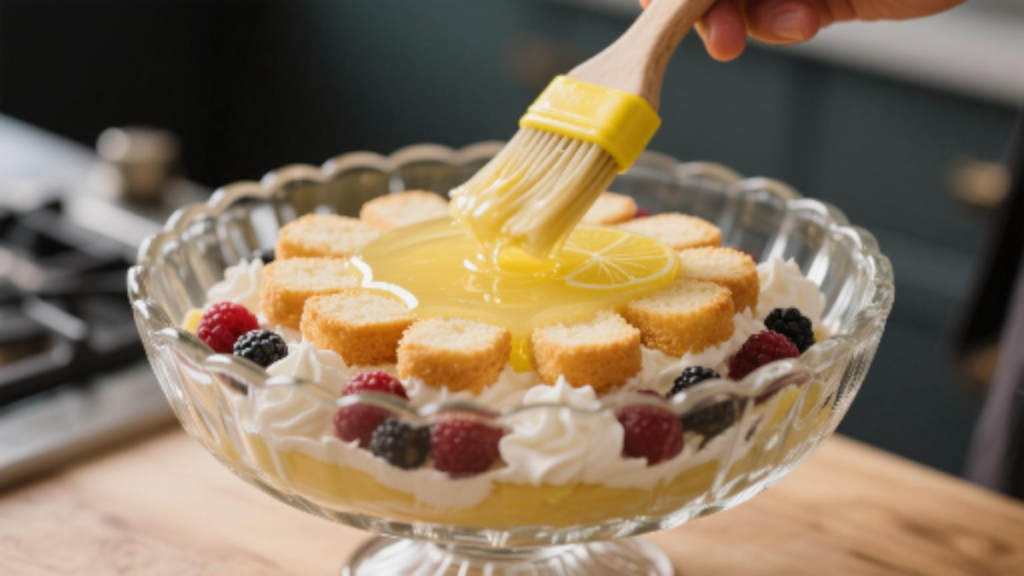
Step 4: The Finish: Syllabub & Serve
Whip the double cream to soft peaks. In another bowl, mix the lemon juice, zest, and sugar until the sugar begins to dissolve. Gently fold this lemony syrup into the whipped cream until just combined—it will thicken further. Spoon or pipe the syllabub over the final berry layer. Refrigerate for a minimum of 6 hours. Serve piping cold.
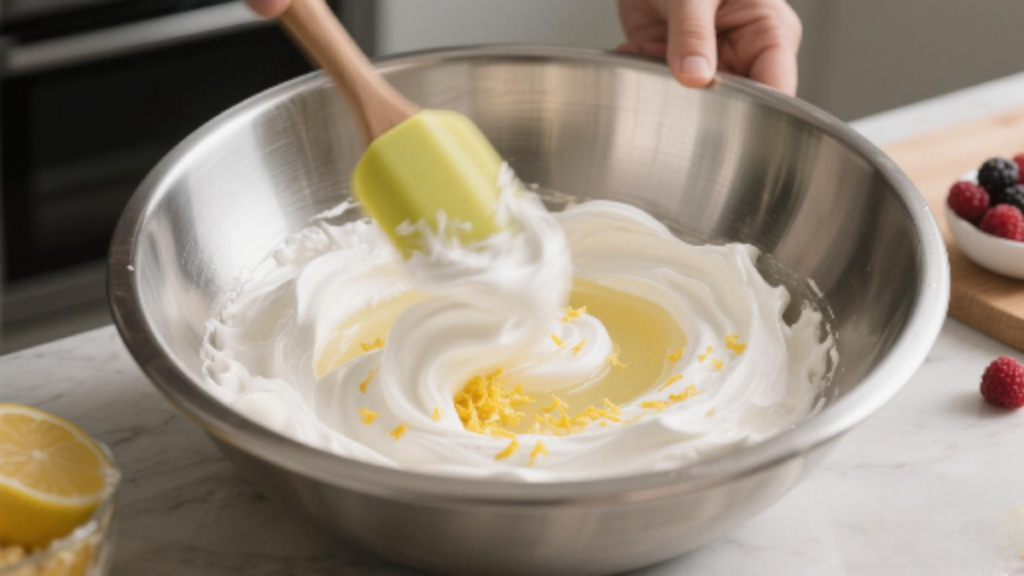

Troubleshooting: Avoiding Common Failures
Why is my syllabub runny? You likely over-whipped the cream before adding the lemon, or added the lemon juice to the cream before whipping. The acid breaks down over-whipped cream. Always whip the cream alone first to soft peaks.
Why is my lemon curd grainy? The heat was too high, causing the egg proteins to coagulate into lumps. Use a bain-marie and moderate heat next time. Straining fixes minor graininess.
Why is the sponge layer mushy? You poured or brushed on too much syrup. The sponge should be damp, not swimming. Use a pastry brush for control.
Variations: From Classic to Contemporary
- Raspberry & Rose: Replace 50ml of the limoncello in the syrup with rosewater. Use fresh raspberries but add 100g of chopped Turkish delight on the berry layer.
- Blood Orange & Campari: Substitute the lemon juice in the curd with blood orange juice. Replace the limoncello syrup with a syrup made from 50ml Campari and 50ml simple syrup. Garnish with blood orange segments.
- Lavender Honey: Infuse the cream for the syllabub with 1 tsp of culinary lavender by heating gently, then chilling overnight before straining and whipping. Replace half the caster sugar in the syllabub with clear honey.
Storage, Freezing & Reheating
Storage: This trifle must be kept refrigerated. Consume within 2 days. The syllabub will gradually soften but remains scrumptious.
Freezing: Freezing is not recommended for the assembled trifle. However, you can freeze the un-soaked sponge for up to 1 month. The lemon curd can be frozen separately for 1 month. Thaw both in the refrigerator before use.
Reheating: Not applicable. Serve cold.
FAQ: Common Questions
Can I use shop-bought lemon curd? You may, but the texture will be firmer and the flavour less vibrant. For a true Mary Berry result, the homemade curd is non-negotiable.
What can I use instead of limoncello? Make a syrup with the juice of 1 lemon, 50ml water, and 50g sugar, boiled until dissolved. Cool and use. The adult zing will be absent.
Can I make it a day ahead? Absolutely. Assemble fully the day before serving. This improves the flavours. Add the final syllabub layer no more than 12 hours ahead for best texture.
What’s the best dish to use? A large, straight-sided glass trifle bowl is traditional. A deep glass salad bowl works perfectly. Seeing the beautiful layers is part of the joy.