Recipe for mary berry bread and butter pudding: The Secret to a Golden, Crisp Top
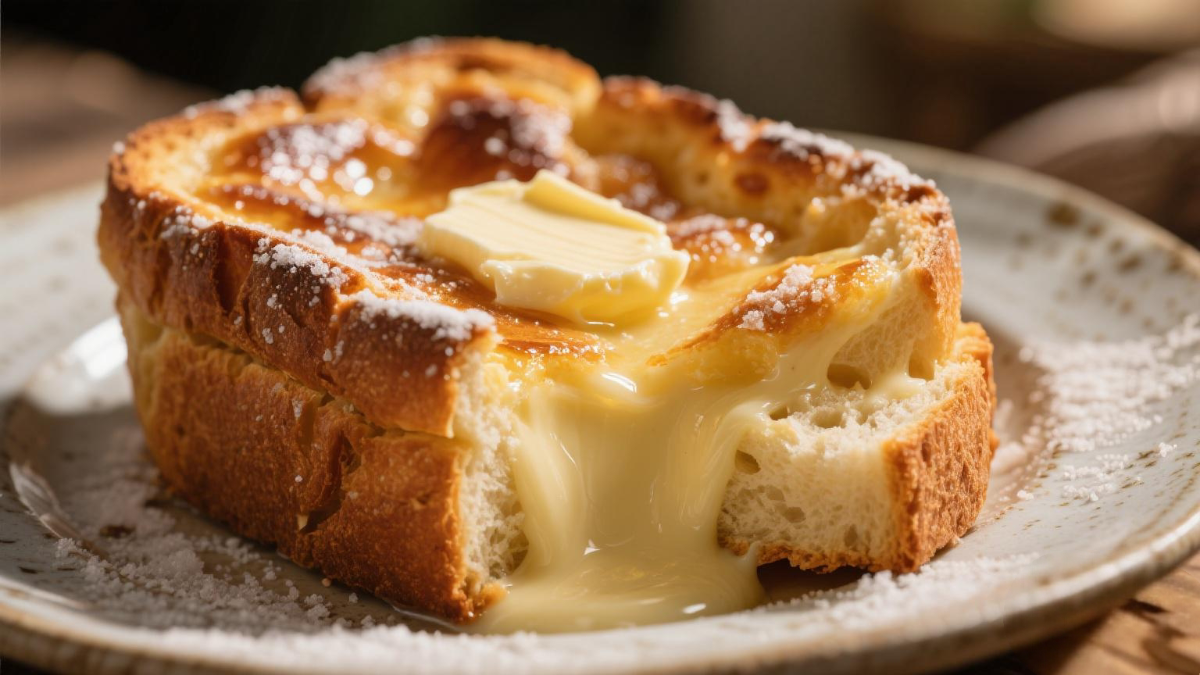
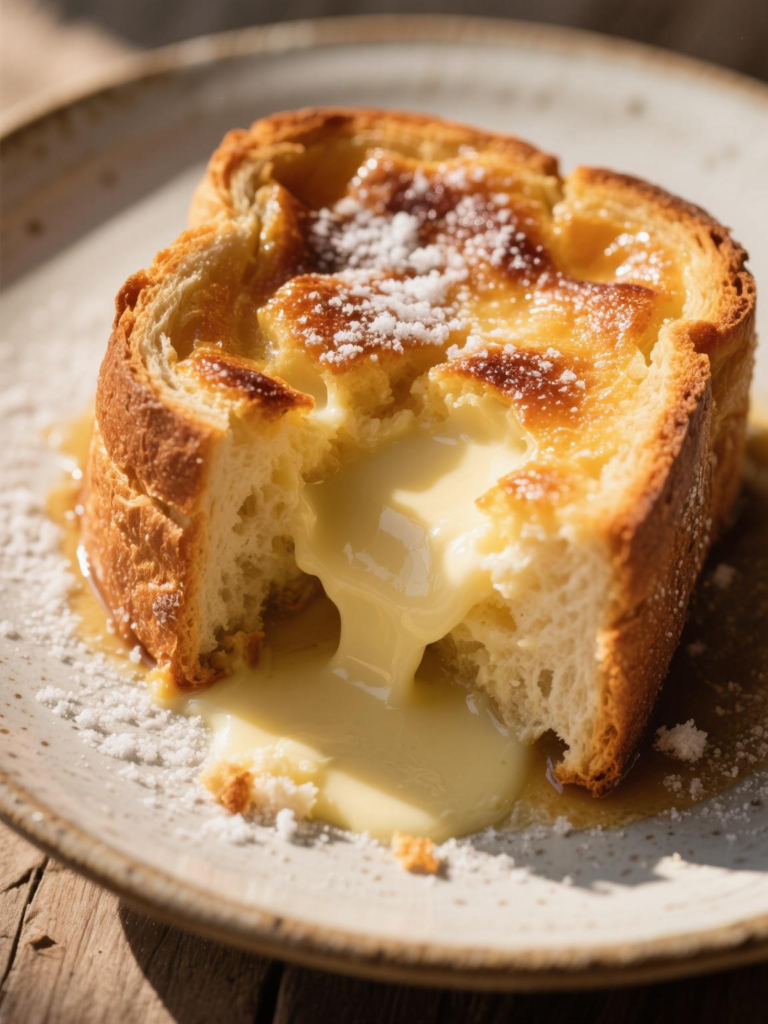
That first spoonful should crack through a crisp, gilded sugar crust into a decadent, softly set custard. Mary Berry’s genius lies in this textural perfection. Her method transforms humble ingredients into a sumptuous, comforting classic. This is the foolproof version. It respects the science of the custard, ensuring it sets without curdling, and treats the bread with the care it deserves.
The Science of a Set Custard and Crisp Top
A standard oven uses fan-driven convection, which can cook a custard too aggressively from all sides. Mary’s method uses gentle, radiant heat from the middle of the oven. This allows the custard to set slowly and evenly without splitting. The final blast of high heat is non-negotiable. It creates the signature crisp, caramelised top by rapidly boiling and browning the sugars at the surface. The no-pre-soak method for the bread is deliberate. Pouring the hot custard over the buttered bread allows for controlled, perfect absorption, preventing a mushy, soggy bottom.
- Egg to Dairy Ratio: This specific ratio of whole eggs and yolks to full-fat dairy provides enough protein to set firmly, while the fat guarantees a lush, creamy mouthfeel.
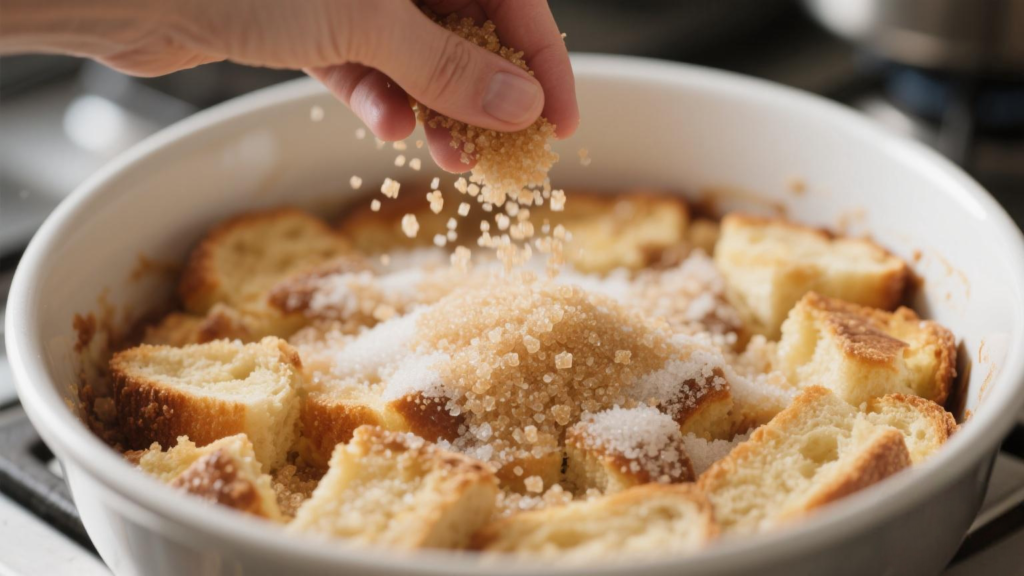
- Sugar Type: Caster sugar dissolves instantly into the custard. Demerara sugar, used only for sprinkling, has larger crystals that resist melting, creating that delightful crunchy topping.
- Bread Choice: Slightly stale bread has lost surface moisture. Its drier structure acts like a sponge, eagerly soaking up the rich custard without disintegrating.
You”ll also needed
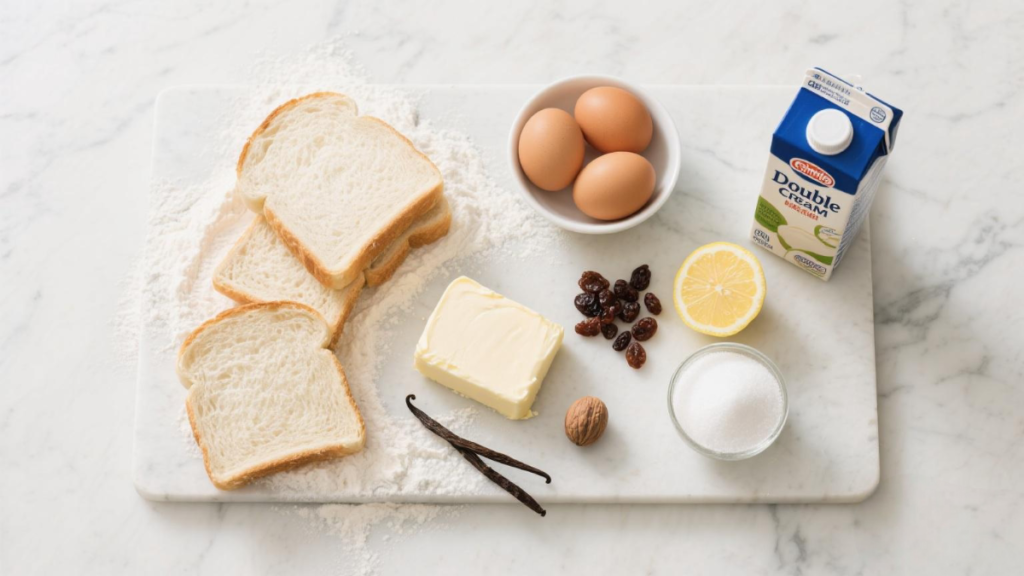
Do not skimp on quality. This pudding is about rich, simple ingredients.
- 8 medium-thick slices of stale white bread, crusts left on (approx. 300g / 10.5oz)
- 50g / 1.75oz unsalted butter, softened (for spreading)
- 50g / 1.75oz sultanas or raisins
- Zest of 1 unwaxed lemon
- 4 large whole eggs
- 2 large egg yolks
- 125g / 4.5oz caster sugar (superfine sugar)
- 1 tsp pure vanilla extract
- A whole fresh nutmeg, for grating
- 500ml / 17 fl oz double cream (heavy cream, min. 48% fat)
- 250ml / 8.5 fl oz full-fat milk
- 2 tbsp Demerara sugar (for sprinkling)
The Masterclass Method
Step 1: Prepare the Base
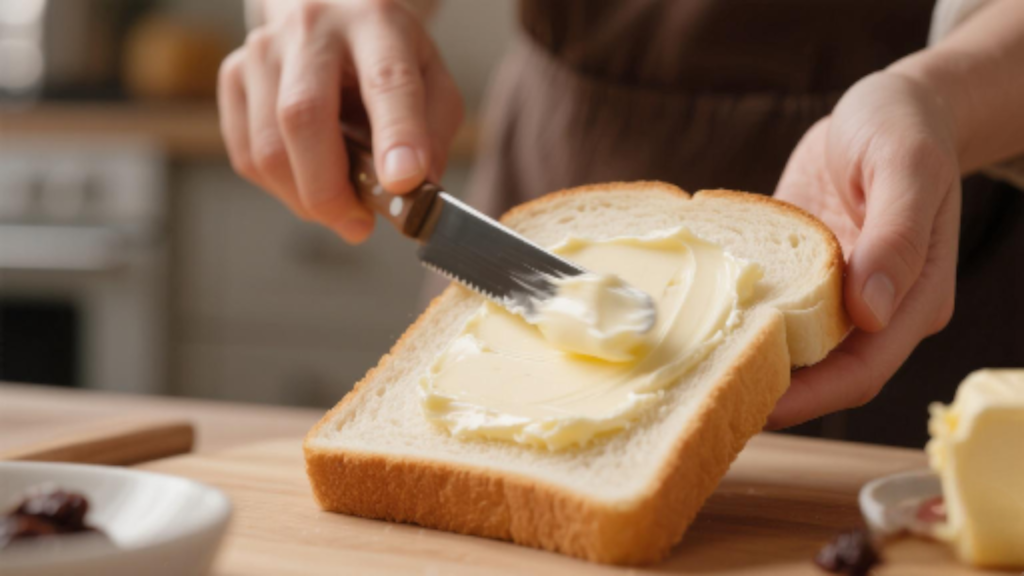
Butter each slice of bread on one side. Cut each slice into two triangles. Arrange half the triangles, buttered-side up, in a shallow 1.5-litre (6-cup) ovenproof dish. Scatter over the sultanas and lemon zest, then top with the remaining bread triangles, buttered-side up.
Step 2: Create the Custard
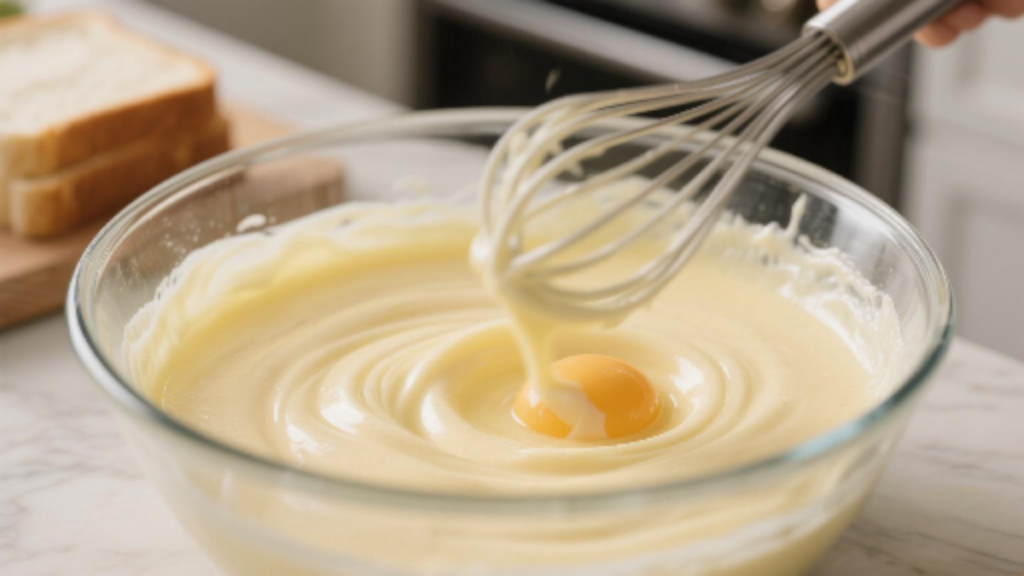
In a large jug or bowl, whisk together the 4 whole eggs, 2 egg yolks, and the caster sugar for 2 full minutes until pale and slightly thickened. Whisk in the vanilla extract and several generous gratings of fresh nutmeg. In a saucepan, gently heat the double cream and milk just until it is piping hot and you see the first small steam bubbles at the edge. Do not boil.
Step 3: Combine and Soak
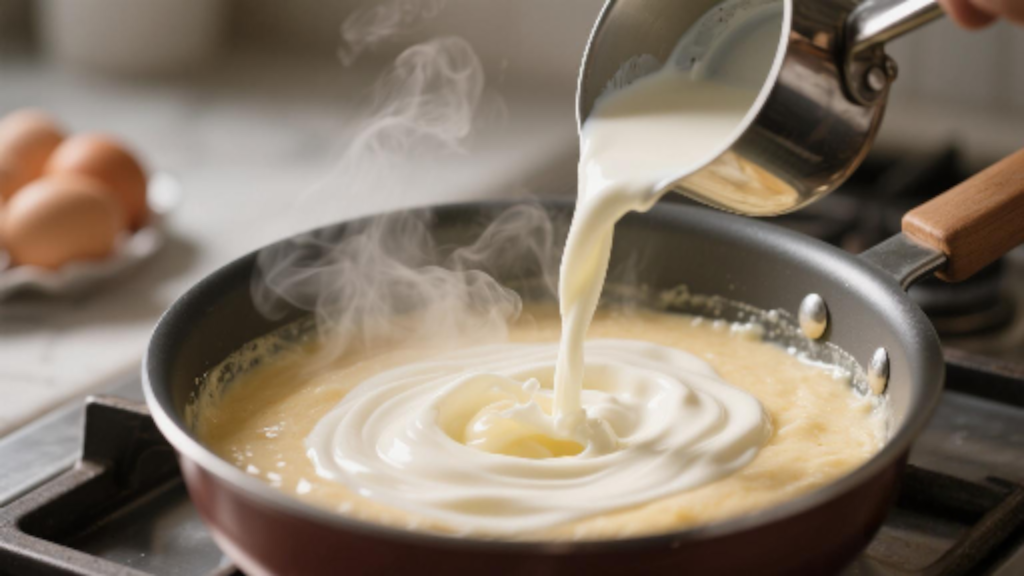
Pour the hot cream mixture in a slow, steady stream into the egg mixture, whisking constantly. Pour this hot custard over the arranged bread. Press the bread down lightly with a fish slice. Leave to stand for 30 minutes so the bread can absorb the custard. Preheat your oven to 160°C (140°C Fan) / 325°F / Gas Mark 3.
Step 4: Bake to Perfection
Sprinkle the Demerara sugar generously and evenly over the surface. Bake in the preheated oven for 40 minutes. Then, increase the oven temperature to 200°C (180°C Fan) / 400°F / Gas Mark 6 and bake for a further 10-15 minutes. The pudding is done when the top is a deep, crisp gold and the centre is set with only the faintest, creamy wobble.
Troubleshooting: Banishing the Soggy Bottom
Why is my pudding wet and sloppy underneath?
The custard was under-baked or the oven temperature was too high, causing the top to set before the heat penetrated. Always use the two-stage baking method. A metal skewer inserted into the centre for 5 seconds should come out warm, not cold.
Why are my bread edges hard and leathery?
The bread was too stale and had begun to dry out completely. You need bread that is day-old, not rock-hard. The butter coating provides a protective fat layer, but it cannot hydrate bone-dry bread.
Why did my custard split or curdle?
The dairy was too hot when added to the eggs, causing them to scramble. The hot cream must be just below boiling. Whisking constantly during combining is your best defence.
Storing for Scrumptious Leftovers
To store, cool completely, then cover tightly with cling film. Refrigerate for up to 2 days. Reheat individual portions in a microwave until piping hot all the way through.
You can freeze the assembled, unbaked pudding. Prepare up to the end of Step 3. Do not add the Demerara sugar. Wrap the entire dish tightly in a double layer of cling film and freeze for up to 1 month. To bake, thaw completely in the refrigerator overnight. Sprinkle with sugar and bake from cold, adding 5-10 minutes to the initial baking time.