mary berry salmon and cream cheese: Flaky Pastry Secret
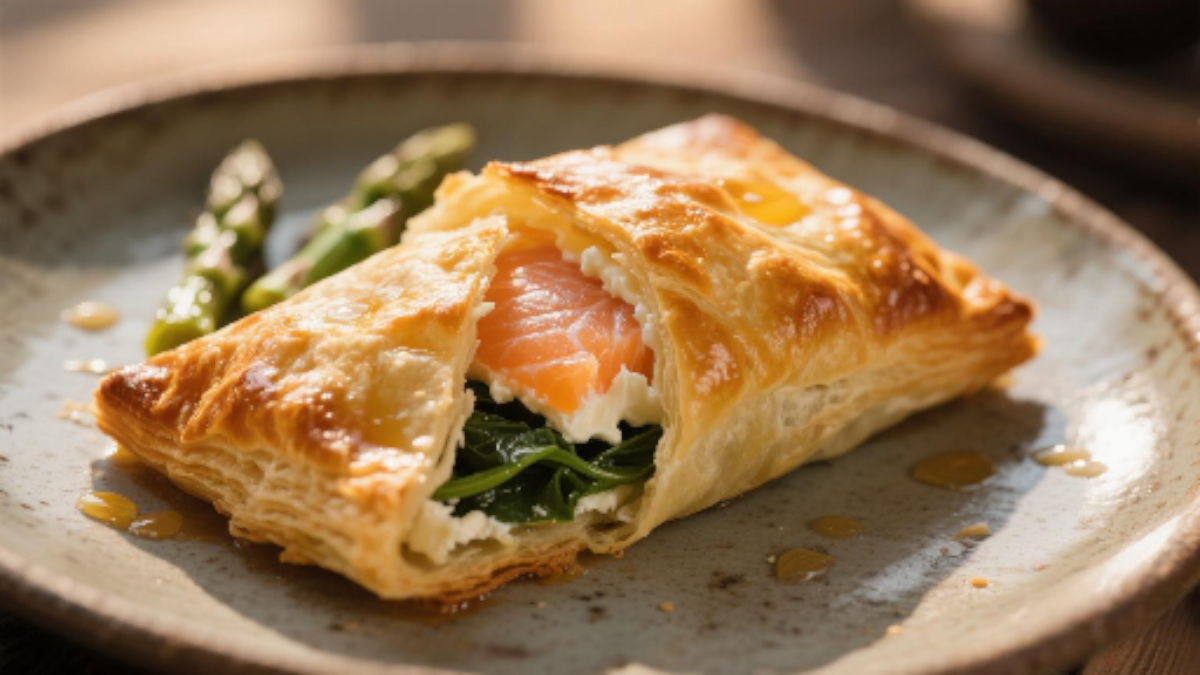
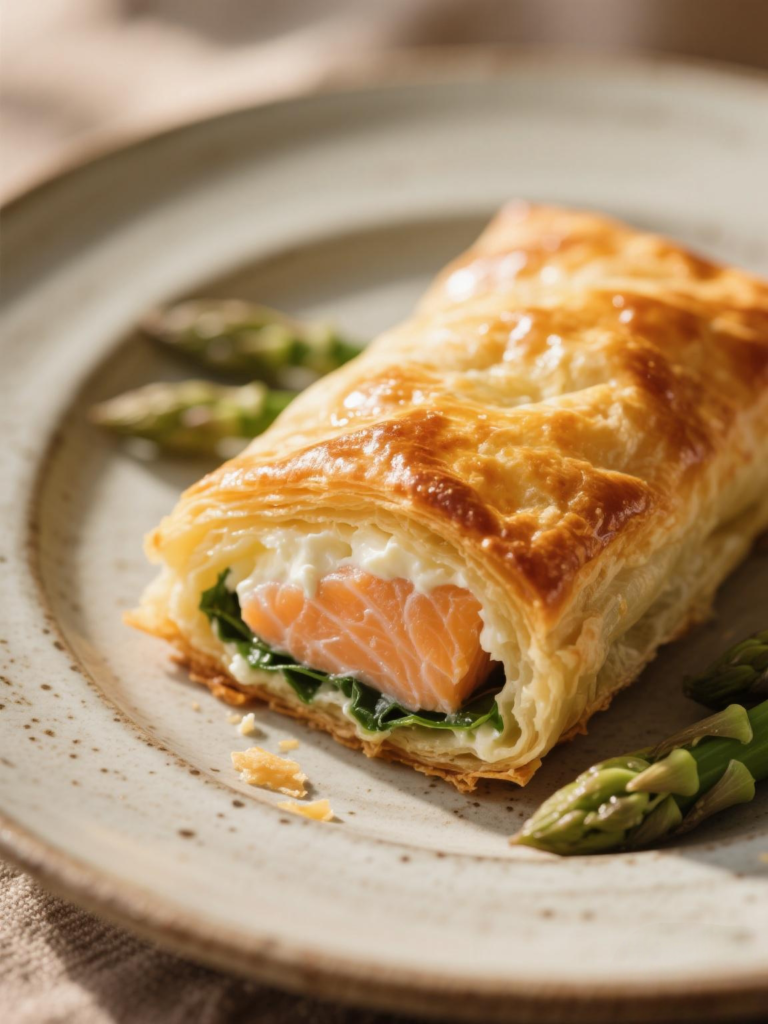
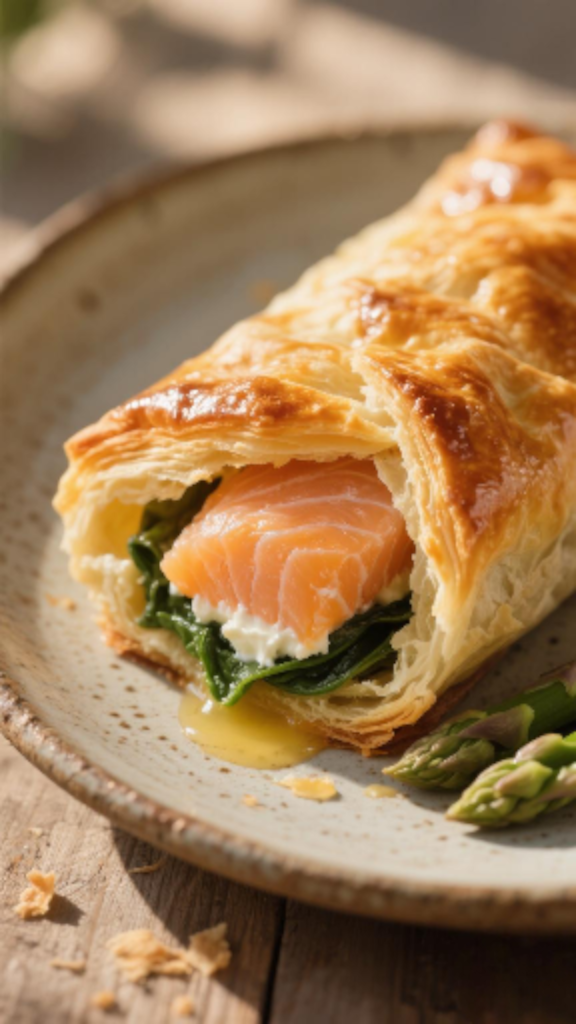
A golden, flaking parcel of buttery pastry yields to a soft, steaming centre of seasoned salmon and rich cream cheese. This is Mary Berry’s splendid way with salmon, designed for elegance without fuss. Her philosophy here is textural contrast—a crisp, fully cooked shell protecting a just-set, moist filling. This version is foolproof because we apply food science to her classic technique.
The Pastry Physics: Hot, Fast & Sealed
A standard oven uses fan-forced convection, which can aggressively dry pastry edges before the centre heats. Mary’s method relies on a very high initial heat to create immediate steam lift in the pastry layers. The cream cheese acts as an insulating barrier, protecting the delicate salmon from direct, harsh heat. This prevents the fish from seizing and weeping moisture, which is the primary cause of a soggy bottom.
- Thermal Mass: The chilled pastry and filling go into a very hot oven. This shock sets the pastry structure quickly.
- Moisture Lock: The sealed pastry parcel creates a mini-oven, steaming the salmon gently within.
- Fat is Flavour: Using full-fat cream cheese is non-negotiable. Lower-fat versions contain more water and stabilisers, which will separate and make the filling grainy.
Ingredients
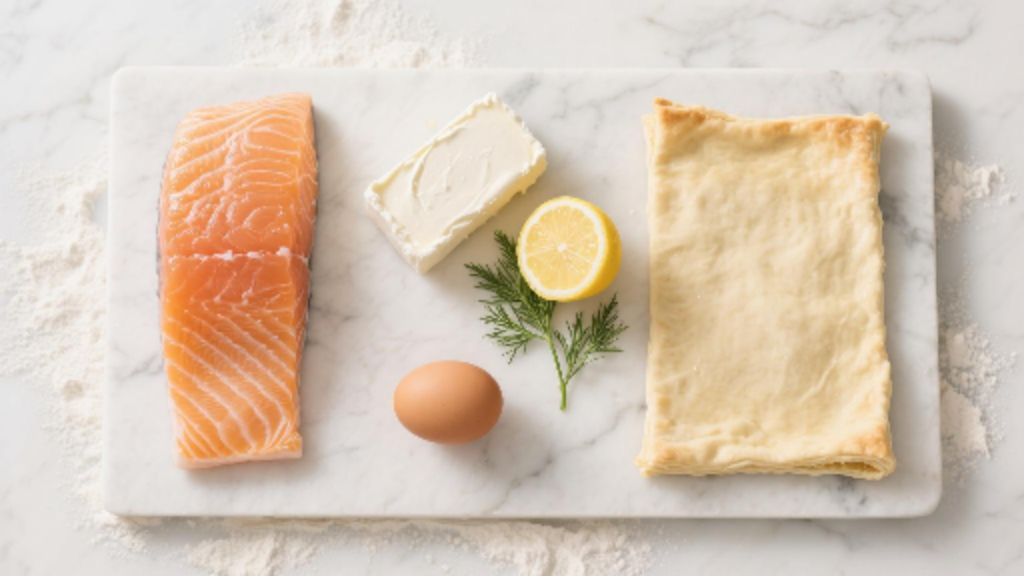
Scrumptious results start with exact ingredients. Don’t skimp.
- Salmon Fillet: 500g / 1 lb 2 oz (skinless, pin-boned). A centre-cut piece ensures even thickness.
- Full-Fat Cream Cheese: 200g / 7 oz. Brick-style, not spreadable from a tub.
- Fresh Dill: 15g / 0.5 oz, finely chopped. Dried will not provide the same bright flavour.
- Lemon: 1 large. You will need 2 tsp finely grated zest and 1 tbsp juice.
- Ready-Made Puff Pastry: 1 x 320g / 11.3 oz sheet. All-butter pastry for the best flavour and flake.
- Plain Flour: For dusting.
- Egg: 1 large, for glazing. Beaten well.
- Sea Salt & Black Pepper: For seasoning. Use Maldon salt for finishing.
Step-by-Step Method (The Masterclass)
Step 1: Prepare the Filling & Pastry
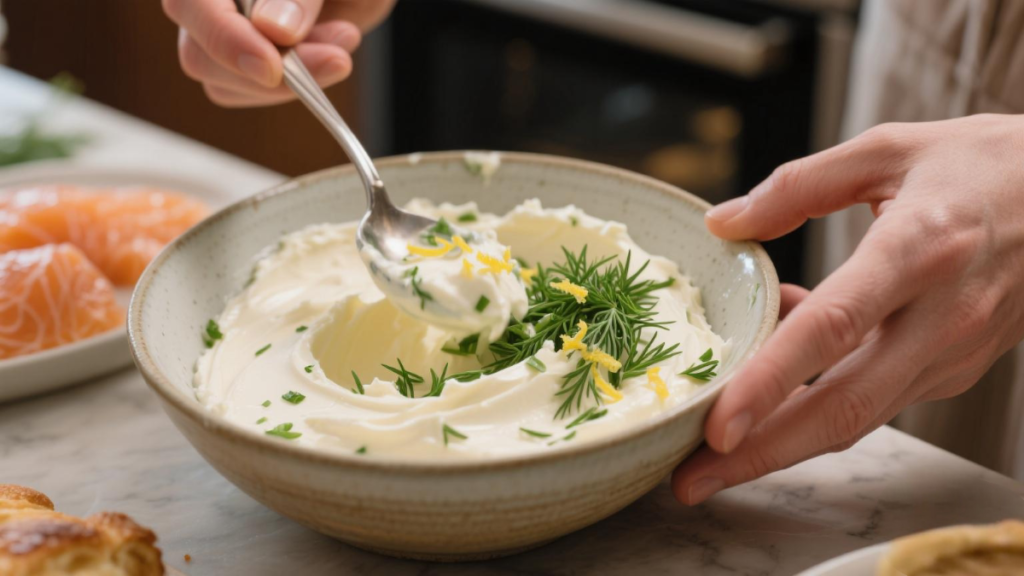
Pat the salmon fillet completely dry with kitchen paper. Season all over with ½ tsp salt and a good grind of pepper. Mix the cream cheese, chopped dill, lemon zest, and 1 tbsp lemon juice in a bowl until just combined. Unroll the pastry sheet onto a flour-dusted surface.
Step 2: Assemble the Parcel
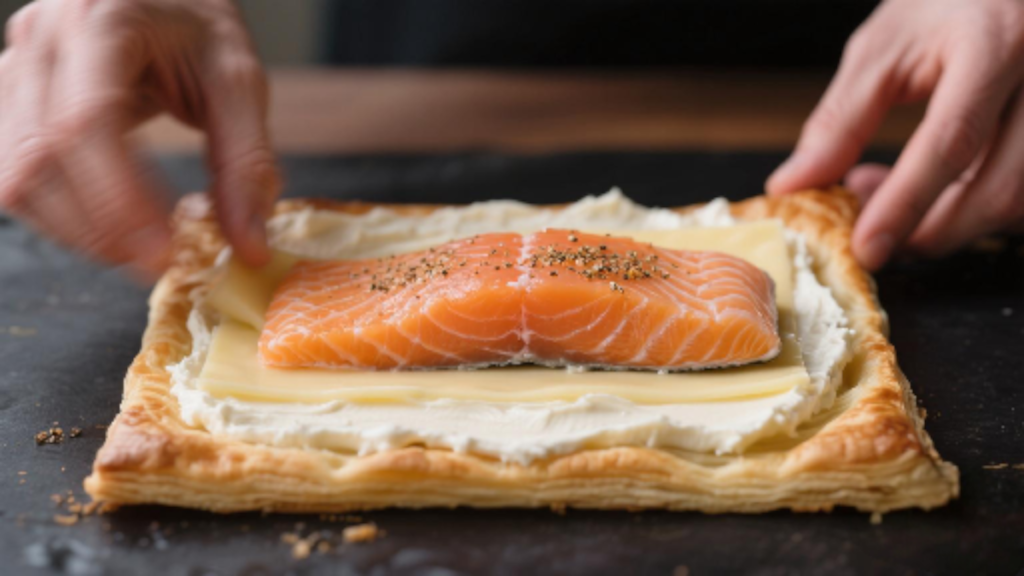
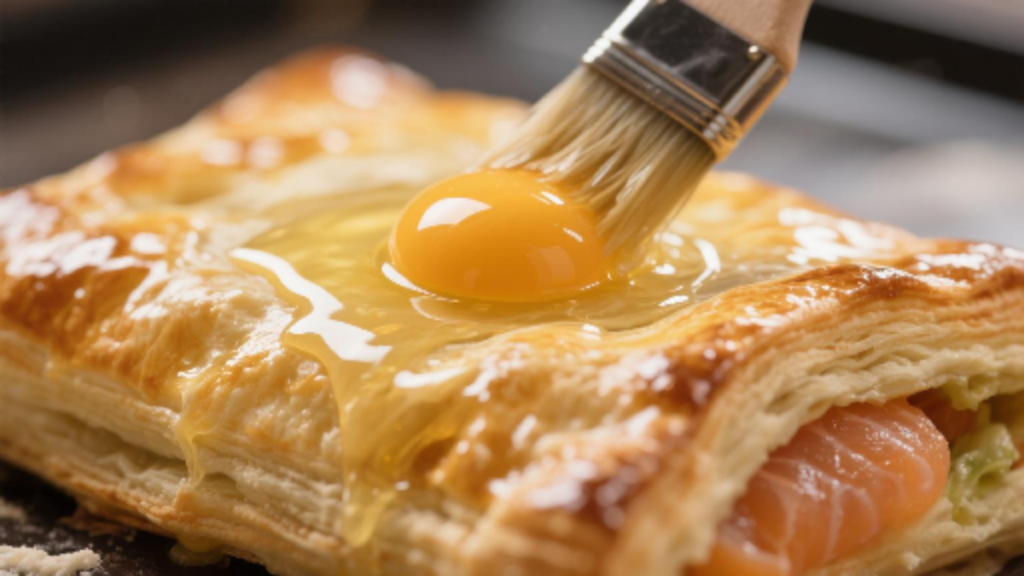
Roll the pastry out to a rectangle roughly 5cm / 2 inches larger than your salmon fillet on all sides. Spread the cream cheese mixture in the centre, matching the shape of the fish. Place the seasoned salmon fillet on top. Brush the exposed pastry edges with beaten egg.
Step 3: Seal & Glaze
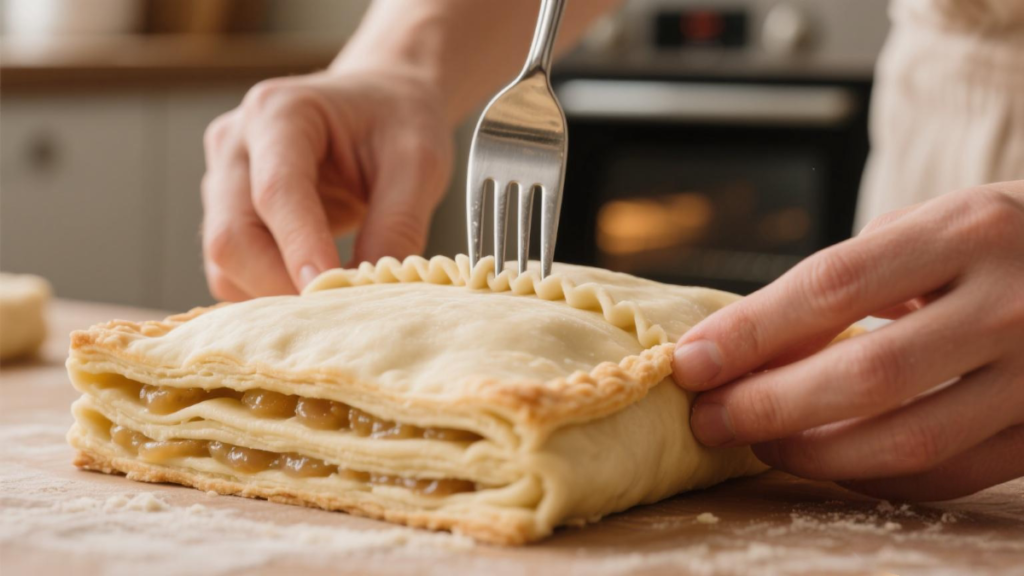
Fold the pastry over the salmon, pressing the edges firmly to seal. Crimp the edges with a fork. Transfer the parcel to a baking tray lined with parchment. Chill the whole tray for 20 minutes. This relaxes the pastry and prevents shrinkage. Preheat your oven to 220°C (200°C Fan) / 425°F / Gas 7. Brush the chilled parcel all over with the remaining egg wash.
Step 4: Bake to Perfection
Bake for 25-30 minutes. The pastry must be a deep, golden brown and sound hollow when tapped on the bottom. The internal temperature of the salmon should read 52-54°C / 125-130°F on a probe thermometer for a just-cooked, moist result. Rest for 5 minutes before slicing.
Troubleshooting: Avoiding the “Soggy Bottom”
Why is my filling watery?
The salmon was likely too wet before assembly. Pat it vigorously dry. Excess moisture also comes from low-fat cream cheese. Always use full fat.
Why did my pastry split and leak?
You did not seal the edges well enough. Ensure a good ½ inch / 1cm border of clean pastry to press together. The chilling step is critical to keep the pastry firm and prevent butter from melting out too fast.
Why are the pastry sides pale and soft?
Your oven wasn’t hot enough. Use an oven thermometer to verify temperature. The initial blast of heat is what creates the steam for a proper rise and colour.
Storage & Freezing
Store any leftovers, covered, in the fridge for up to two days. Reheat slices in a 180°C / 350°F oven for 12-15 minutes to re-crisp the pastry.
To freeze, assemble the parcel up to the point of glazing. Wrap tightly in cling film and foil, then freeze for up to one month. Bake from frozen, adding 10-12 minutes to the cooking time. Do not freeze after baking, as the pastry will lose its crisp texture.