Mary berry Bramley Apple Pie: The Flaky, No-Sog Secret
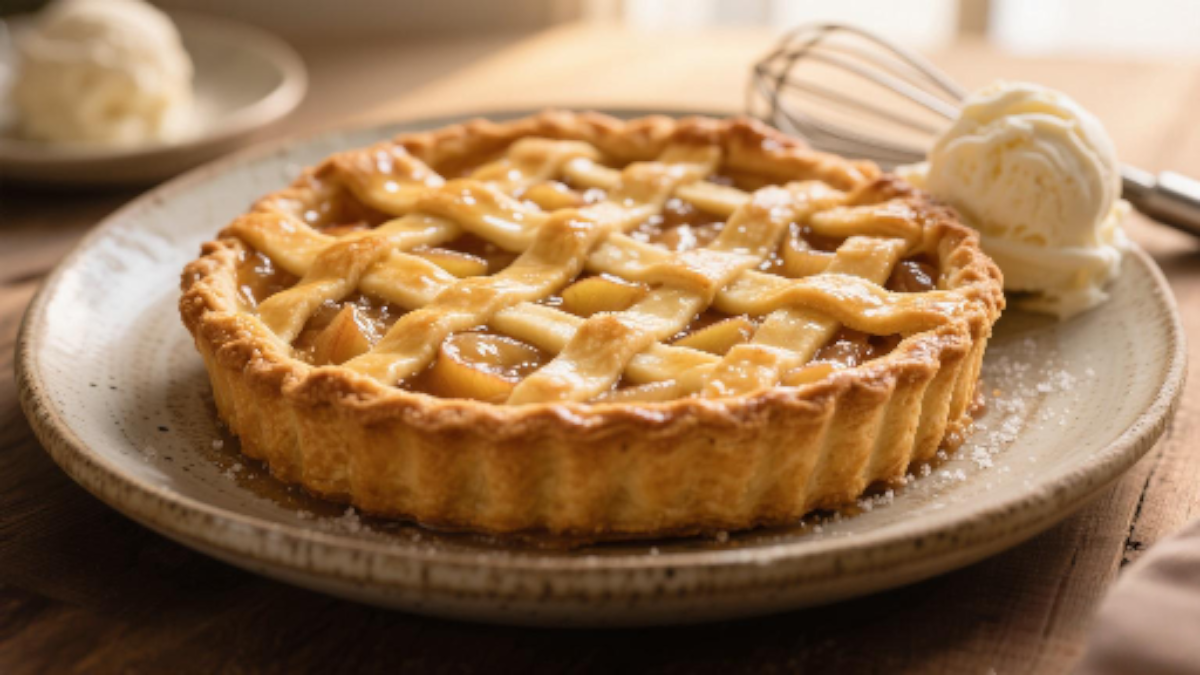
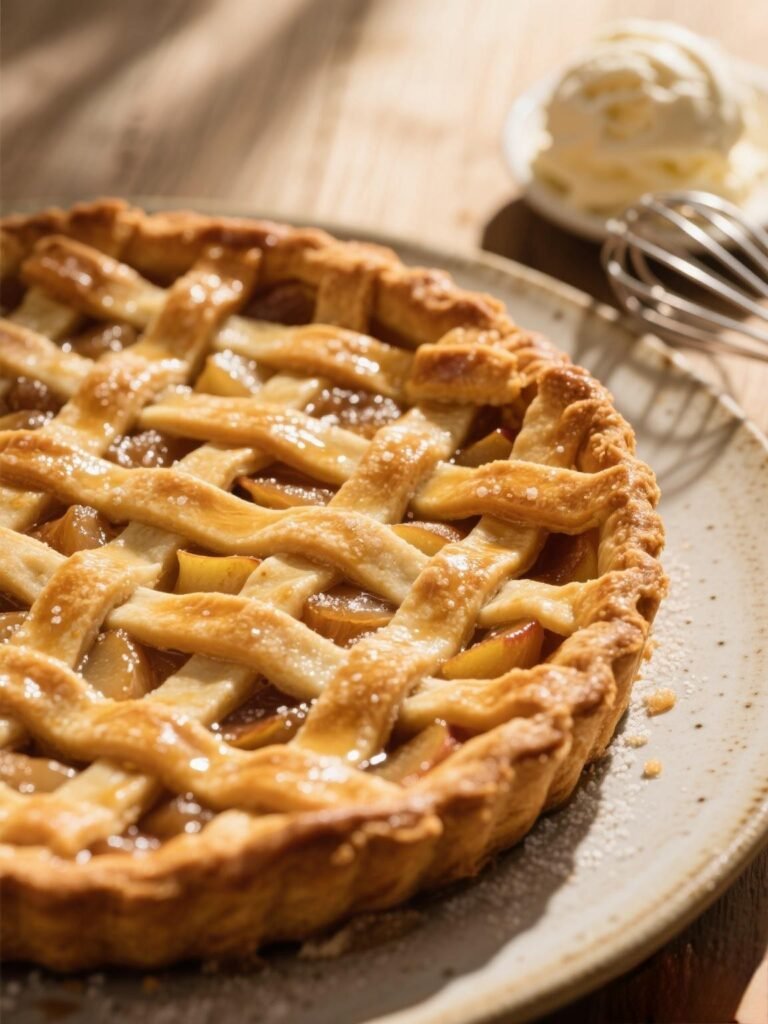
That first slice, revealing steaming, translucent Bramleys nestled under a glistening, golden lattice. This is Mary Berry’s signature pie. Her method is a masterclass in balance: sharp fruit against sweet pastry, robust structure against delicate flakes. It is foolproof because every step has a clear, scientific purpose. We achieve scrumptious results by understanding the why.
The Architecture of a Perfect Pie Crust
Mary’s shortcrust is a short, friable texture, not a tough one. This comes from controlling gluten. Gluten proteins in flour develop with water and agitation. We limit both. The fat must be cold, solid butter. Rubbing it into the flour coats the proteins, creating a water-repellent barrier. A mere tablespoon of icy water is often enough. Overworking the dough creates long gluten strands, leading to a tough, chewy crust that shrinks. Handle it like a precious, fragile letter.
The Bramley Apple Imperative
You must use Bramley apples. Their high malic acid and unique cell structure are non-negotiable. Bramleys collapse into that perfect, fluffy yet defined purée. Eating apples will turn to mush or remain stubbornly firm. Their cell walls break down differently. Bramleys also absorb sugar while retaining a bracing sharpness. This creates the essential sweet-sharp contrast Mary demands. Don’t skimp. Use full-fat butter for the pastry. The moisture content in margarine will steam and create a greasy, soft texture.
You”ll also needed
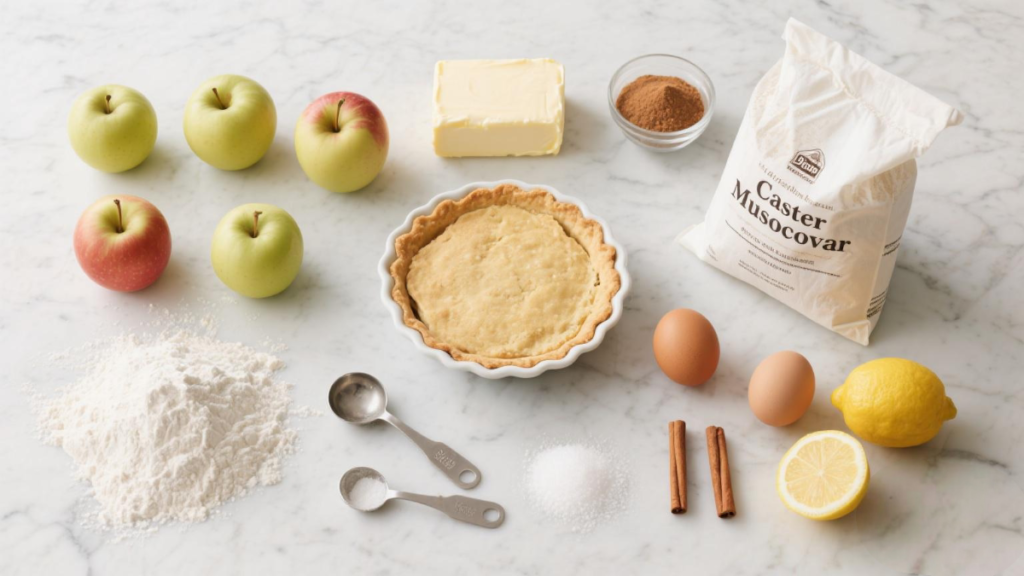
For the Sweet Shortcrust Pastry:
- 350g plain flour (all-purpose flour) (12 1/3 oz, or about 2 1/3 cups spooned and levelled)
- 225g cold unsalted butter, cubed (8 oz, or 1 cup)
- 100g caster sugar (3 1/2 oz, or 1/2 cup)
- 1 large free-range egg, beaten
- 2-3 tbsp ice-cold water
For the Bramley Apple Filling:
- 1.5kg Bramley apples (3 1/3 lbs) – about 5-6 large apples
- 150g light muscovado sugar (5 1/4 oz, or 3/4 cup packed)
- 1 tsp ground cinnamon
- 1 lemon, zest finely grated and juiced
- 2 tbsp plain flour (for thickening)
- 1 medium egg, beaten with a pinch of salt (for glazing)
- 2 tbsp granulated sugar (for sprinkling)
Step-by-Step Pastry Masterclass
Step 1: Prepare the Pastry
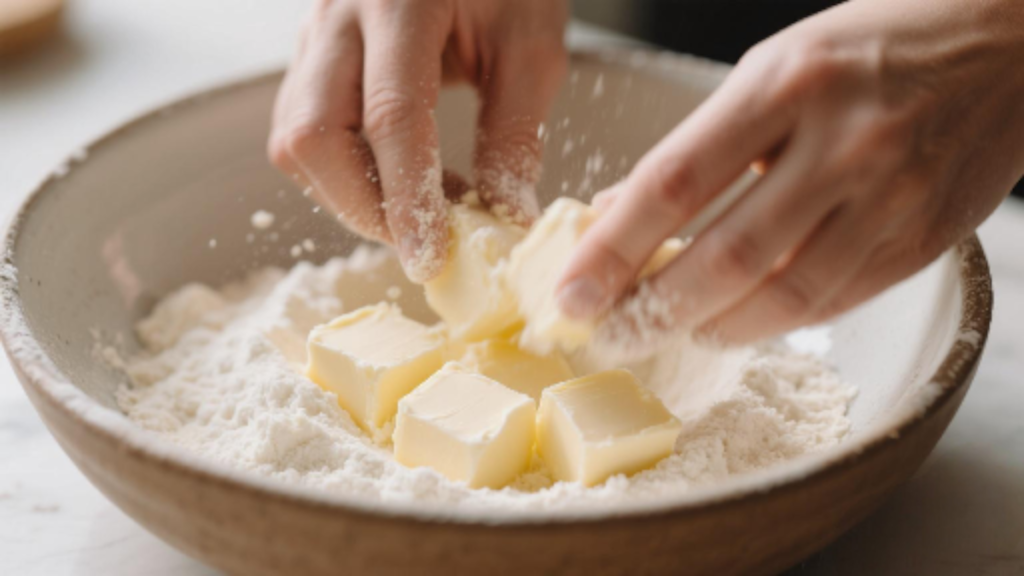
Place the 350g flour and 225g cold, cubed butter in a large, cold bowl. Using your fingertips, rub the butter into the flour for 4-5 minutes until it resembles fine breadcrumbs with a few pea-sized lumps. Stir in the 100g caster sugar.
Step 2: Bind the Dough
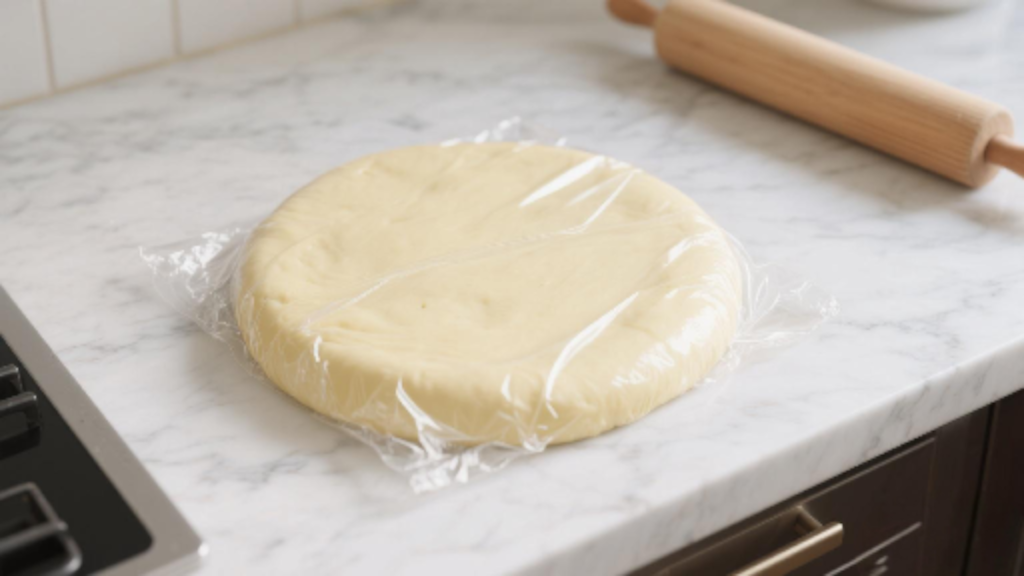
Add the beaten egg. Mix with a cold knife. Add 2 tbsp ice water. Bring together with your hands. If it refuses to coalesce, add the final tbsp water. Shape into two flat discs. Wrap in cling film. Chill for 30 minutes minimum. This re-solidifies the butter and relaxes any gluten.
Step 3: Prepare the Filling
Peel, core, and slice the 1.5kg Bramleys into 1cm (1/2 inch) thick chunks. Place in a large bowl. Add the 150g muscovado sugar, cinnamon, lemon zest, juice, and 2 tbsp flour. Toss thoroughly. The lemon juice prevents browning and amplifies flavour.
Step 4: Line the Tin and Blind Bake
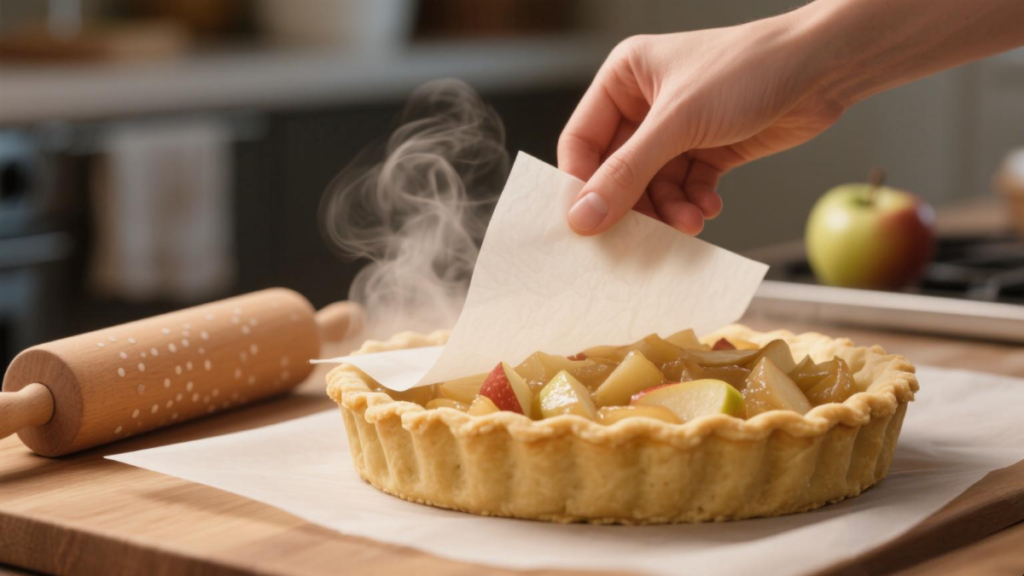
Preheat your oven to 200°C/180°C Fan/400°F/Gas 6. Roll out one pastry disc to 3mm thick. Line a 23cm (9 inch), deep pie tin. Prick the base with a fork. Chill for 15 minutes. After this, Line with baking parchment and fill with baking beans. Bake for 15 minutes. Remove beans and parchment. Bake for 5 more minutes until pale gold and dry. This seals the base – our primary defence against a soggy bottom.
Step 5: Fill and Lattice
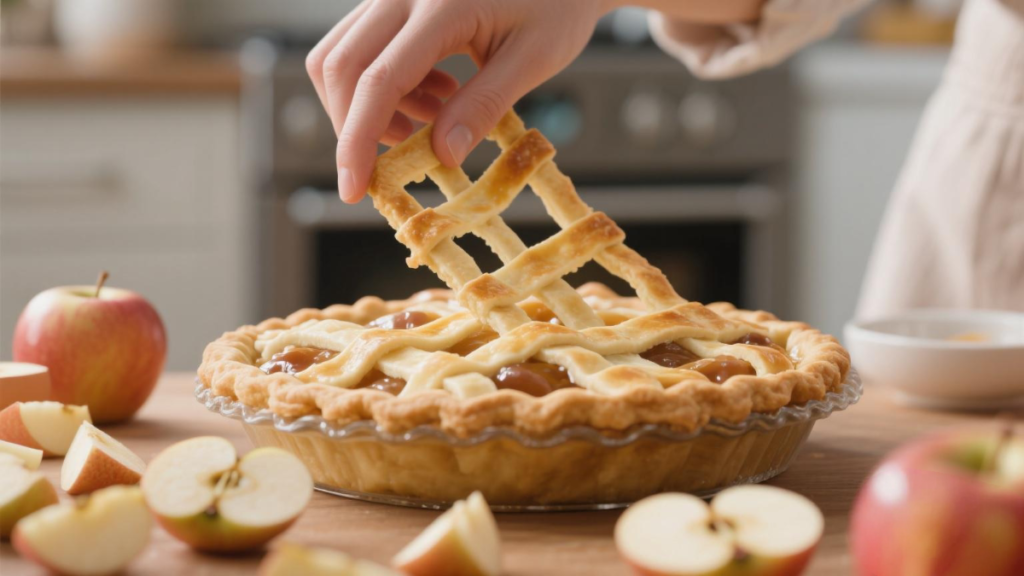
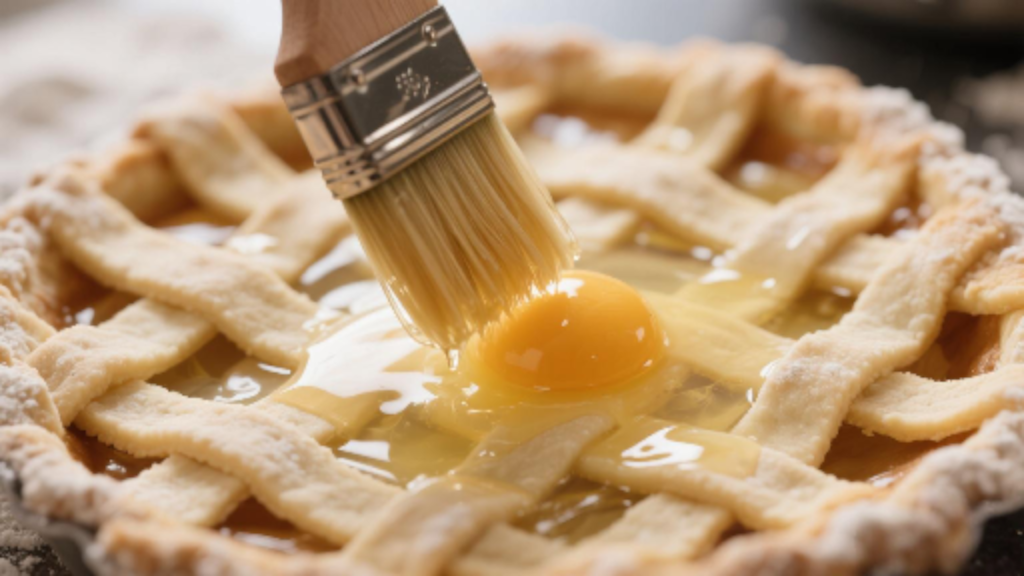
Spoon the apple mixture into the warm case. Roll the second disc. Cut into 2cm (3/4 inch) wide strips. Weave a lattice over the filling. Crimp the edges firmly. Brush the lattice with beaten egg. Sprinkle with 2 tbsp granulated sugar.
Step 6: The Final Bake
Bake for 35-40 minutes at the same temperature. The pie is done when the lattice is a deep, glossy honey gold and the filling is bubbling thickly through the gaps. A sharp knife should meet no resistance in the apples.
Troubleshooting: The Soggy Bottom & Other Calamities
“My filling is watery!” You did not reduce the apple juices enough. Bramleys release a tremendous amount of liquid. The 2 tbsp flour in the filling is critical; it absorbs this during baking. Ensure your filling is bubbling vigorously in the centre before removing the pie.
“My pastry shrank!” The dough was overworked or not chilled sufficiently. Gluten was tense and pulled back. Always chill the lined tin before baking. Handle the pastry with a light touch.
“The edges burnt before the centre cooked!” Your oven is too fierce. Use an oven thermometer. Mary recommends baking on a pre-heated baking sheet. This delivers an intense bottom heat to crisp the base.
Storage & Serving Wisdom
Cool the pie on a wire rack for at least approximately 2 hours. This allows the filling to set into a perfect slice. Serve piping hot or at room temperature. It keeps, covered, at room temperature for 2 days.
To freeze, assemble the uncooked pie. Do not glaze. Freeze solid, then wrap tightly. Bake from frozen, adding 15-20 minutes to the baking time. Glaze with egg and sugar in the final 10 minutes. Freezing cooked pie ruins the pastry’s texture.